Cooking the Books – by Rolande Burrows

Cooking the Books – by Rolande Burrows

After I’d laid down my first eighty thousand words, it became evident that I had something to offer which could perhaps be done as a shorter ‘non-biography’.  More like an anthology of short stories. 

I’d heard about writers who had ‘self-published’ so… “Why not me?” 

I knew enough about white space, thought I was good at layout, had an inkling about marketing. “Why couldn’t I do it myself?” And so, even if a little deluded, I did.  I had loads to learn – could and did find much in myself to criticise, certainly found I had huge dollops of pride to swallow and large amounts of patience to spread on myself – but in 2024 I did it.  Although it had been one hell of a learning curve. 

It was in January, I sat with my reduced 52,000 words and had my first meeting with Black Swan Printers. He almost believed I knew what I was talking about – in the end going along with my visions of grandeur and agreeing to work with me. 
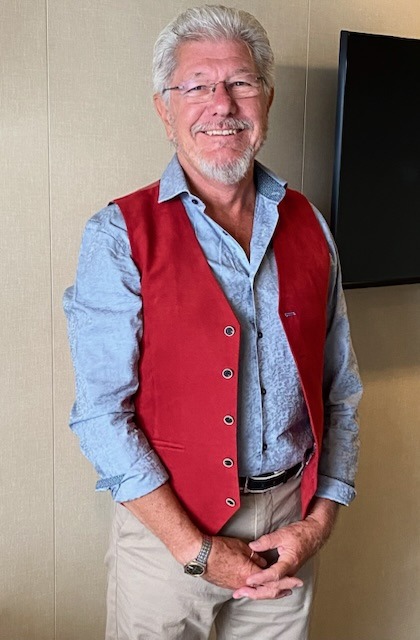
First time meeting Black Swan Printers – trying to look a bit like a writer.

Taking his good advice, I amended, edited, corrected, re-wrote and re-numbered until I had 200 pages. This final draft was then proof-read by a suitably experienced friend who drew my attention to the overuse of “OK” and “of course” and “in fact”. 

She also directed my attention to an inconsistent use of capitals across most of my forty chapter headings and told me to also give serious attention to NOT starting so many sentences with “And”.  Later in the list of suggested alterations, I was scolded for…  and I quote: “Excessive use of the word ‘ahead’… used at least eight times”!! And when talking about going off the road during a driving accident – she suggested I was more probably zig-zagging on a central reservation – and not “on a central reservoir” as I had written. There’s nothing like a professional critic to firmly put you in your place!
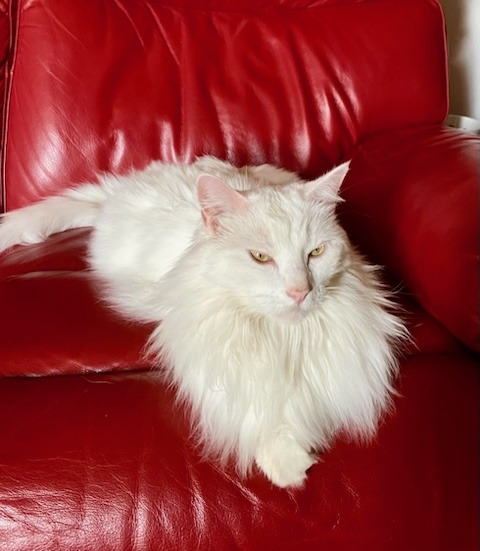
Sebastian often disapproves of my writing!

I didn’t even know what ‘tautology’ meant, until I saw my own words saying the same thing twice in a different way. It came as quite a shock to discover I’d claimed to live through ninety decades…. 900 years!  

And as an English graduate, I was suitably humbled to find that I obviously couldn’t spell, couldn’t tell the difference between ‘chose’ and ‘choose’ – and had incorrectly used “were” instead of “was”! 

Yes, the proof-reader who had originally told me there were “a few minor tweaks”, presented me with twenty-seven pages of notes, drawing my attention to so many of my errors… but it was the best lesson for putting my feet firmly back on the ground. To hell with the euphoria of finishing a book. The business end of it all now had to be cleaned up. This is what professional writing is all about – getting it right.

Although, with some slight relief, I was gently reassured that there wasn’t a single book out there which could claim to be completely perfect! 

So on that note, I poured a large glass of Chateau-Neuf, before starting out on what was to be five days of corrections. It seems there was always something  (even as slight as a missing apostrophe) that needed attention on almost every one of my two-hundred pages. A page at a time, I looked at every sentence and noted all that had been ‘proofed’ and made my decisions about what to keep and what to change. 

Dark and dangerous, from my chapter ‘Fugitive on the Isles of Scilly’

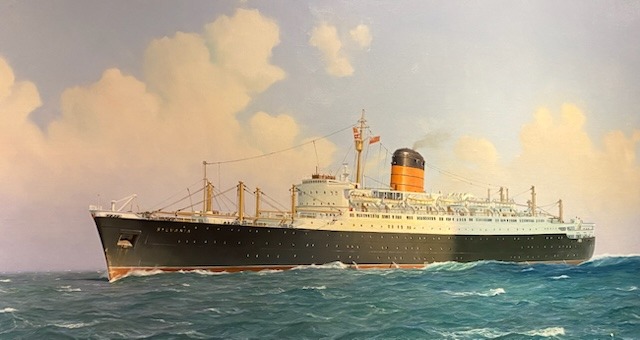
My 1957 passage to Canada via early Cunard… memory working hard writing that section.

But by now, it was all much too late to re-write without upsetting the page numbers and paragraph layout of the whole book, I had to let some things go.  

“Minor tweaks” indeed… the devil is certainly in the detail!

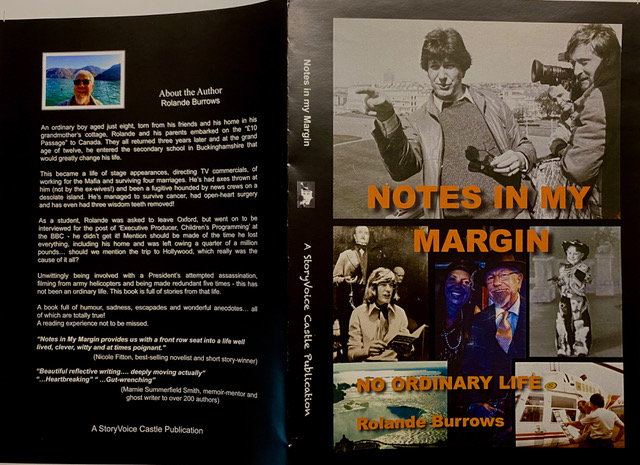
You can read more about Rolande and his memoir ‘Notes in my Margin’ here: https://teignmouthwriters.co.uk/rolande-burrows/
THE JOY OF EDITS – by Eva Glyn

THE JOY OF EDITS – by Eva Glyn

I had a much older cousin who was a literary novelist, and when I started to take my writing seriously he asked how I felt about editing. I told him I loved it and he nodded sagely, telling me with that attitude I would be all right.

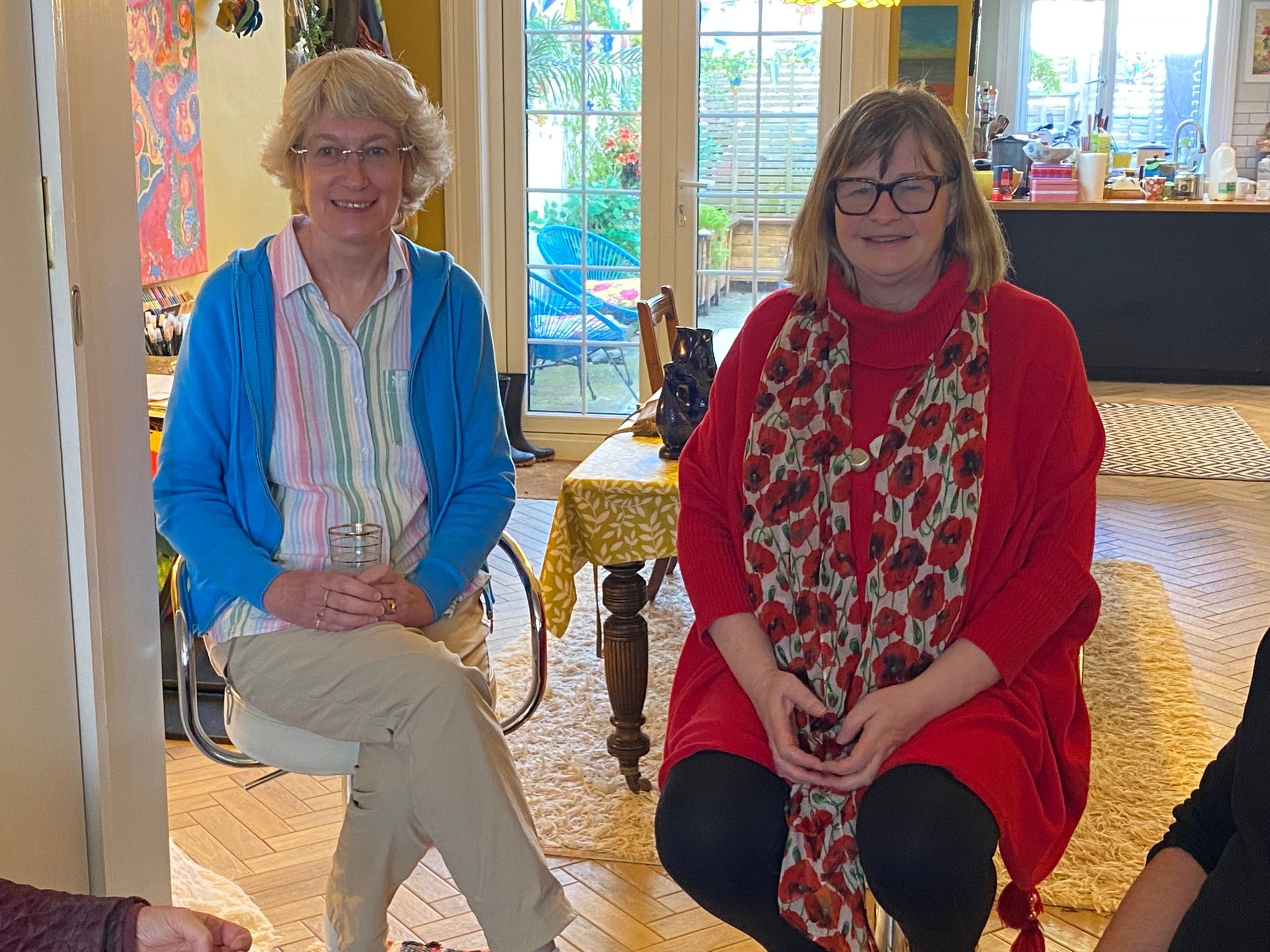
When invited to attend a Teignmouth Writers’ meeting, editing was one of the things fellow author Kirsty Dougal and I were asked about.

As a published author, being edited by others is a fact of life and if you’re not prepared to engage in this process, then this route is not for you. But if you are it can be transformational for your writing, as it was for mine.


But that’s a story for another day, and here I’m going to focus on the self-edits which come before you set out on your chosen the path to publication. The essential, and often time-consuming, work which will take your first draft manuscript to a readable novel. Everyone has their own way of doing this, but these are the most important lessons I’ve learnt.

1) Have a process. I find it more than helpful to have something to focus on when I’m going through my manuscript, rather than reading it again and again in the hope that something in need of improvement jumps out.

Over time I’ve built up a checklist, which includes questions as varied as:
Are the characters’ conflicts and goals crystal clear?
Is there too much telling and not enough showing?
How does this push the story forwards?
Is the timeline working?
Do the descriptions really take the reader there?
Is there enough variation in pace?

Editing checklists are available online, but mine comes from lessons learnt about my own writing when working with professional editors. Which brings me onto…

2) If you can afford it, use a professional editor at least once. However I do appreciate they’re expensive and I know they’re not within everyone’s budget. I also know there are a lot of so-called professional editors out there with little, or at best irrelevant, experience. If you’re going to part with your cash it’s best to find someone through personal recommendation, and/or who has worked with a major publishing house, or holds a reputable editorial qualification and references you can check out.

The other thing you need to be certain of is that you will listen. An editorial letter is always a shock. Let yourself rant and rave, then be humble and take their advice. Not everything they say will ring true to you, but if most of it doesn’t, then they might not be the problem, and you’ve probably just wasted a lot of money.

If you can’t afford an editor, at least get a fellow writer or very well read friend to critique your book. It helps if it’s somebody brutally honest. Before I was published I used a friend who’d been an English teacher, but she was far too nice to be effective.

3) A final read aloud is time well invested.

You will be amazed how many errors this picks up. I use the read aloud function in the review section of Word and it’s more than adequate. It helps if you follow the manuscript with your eyes as well. Yes, it’s time consuming, but never forget you only have one shot at getting this right, whether you’re submitting to an agent or publisher, or putting the book out there yourself. It’s your reputation on the line, so make it the best you can.

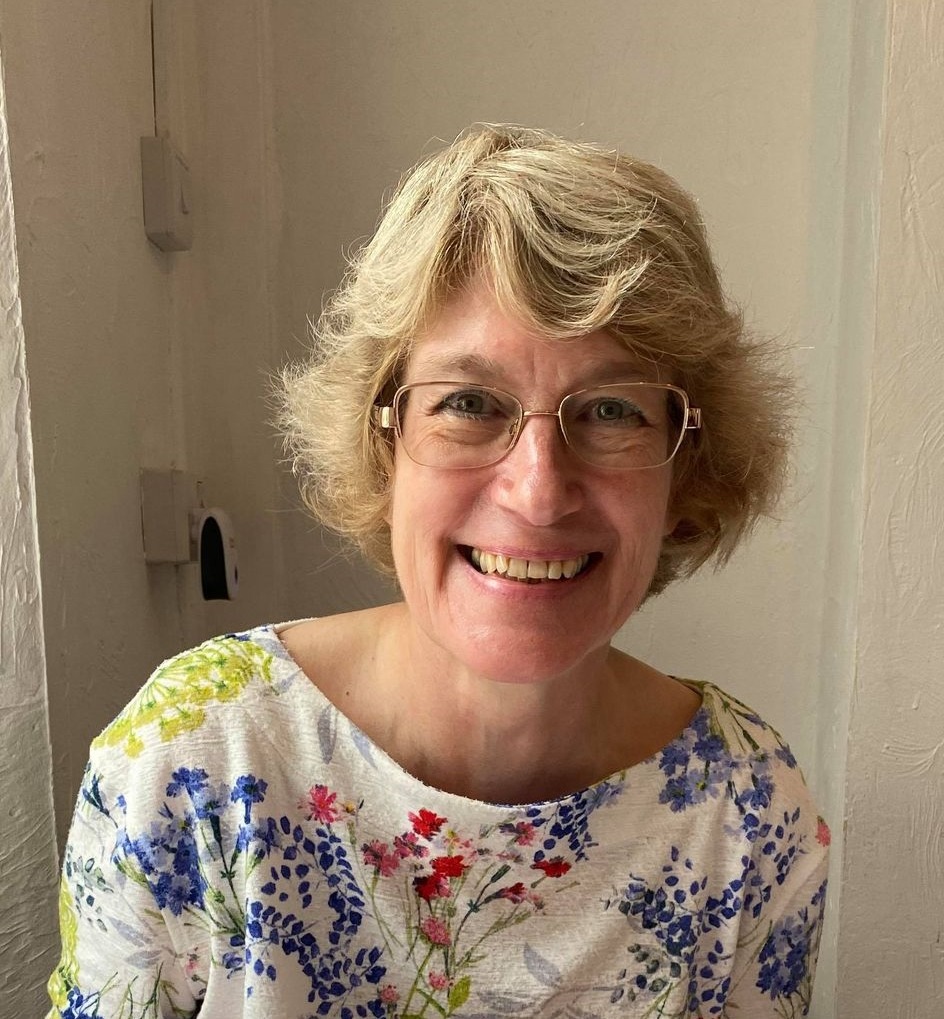
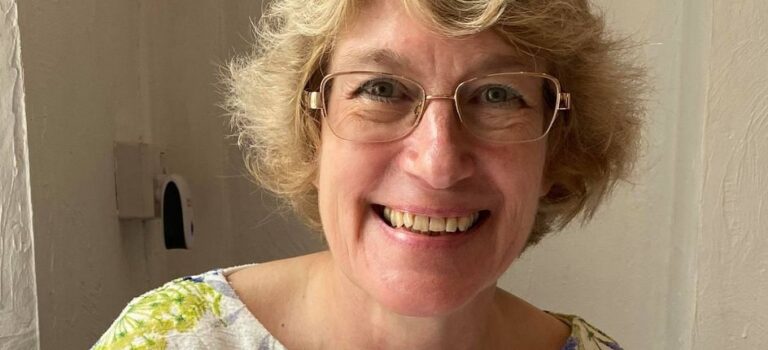
Eva Glyn writes destination fiction set mainly in Croatia for One More Chapter, a division of Harper Collins.

We were honoured to have Eva as a guest at Teignmouth Writers while taking part in a writing retreat hosted by Lucy Martin.

Be bold. Give it a try – by Rolande Burrows

Be bold. Give it a try – by Rolande Burrows

An idea can be presented in many forms…