Puccini’s Madame Butterfly

Woke Writing is a Good thing – Really! – by Ffion Mackenzie

Puccini’s Madame Butterfly

If you are self-publishing, this post might be of limited interest to you. Agents and publishers, though, are actively looking for inclusive writing.

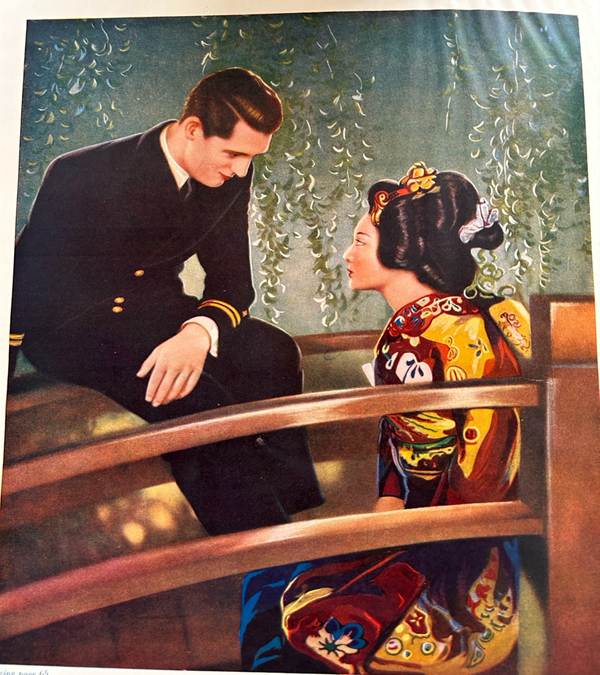
The play and film, “Madame Butterflymight be an example of how Asian women were often depicted. An American naval officer serving in Japan at the beginning of the 20th century, has a son with a 15 year old girl, Cio-Cio-San. The officer then leaves her, and goes back to America to marry someone else. Abandoned and shamed, Cio-Cio-San takes her own life. A tale of sexism, racism and stereotypes.

In the Lawrentian, Isabel Dorn writes;

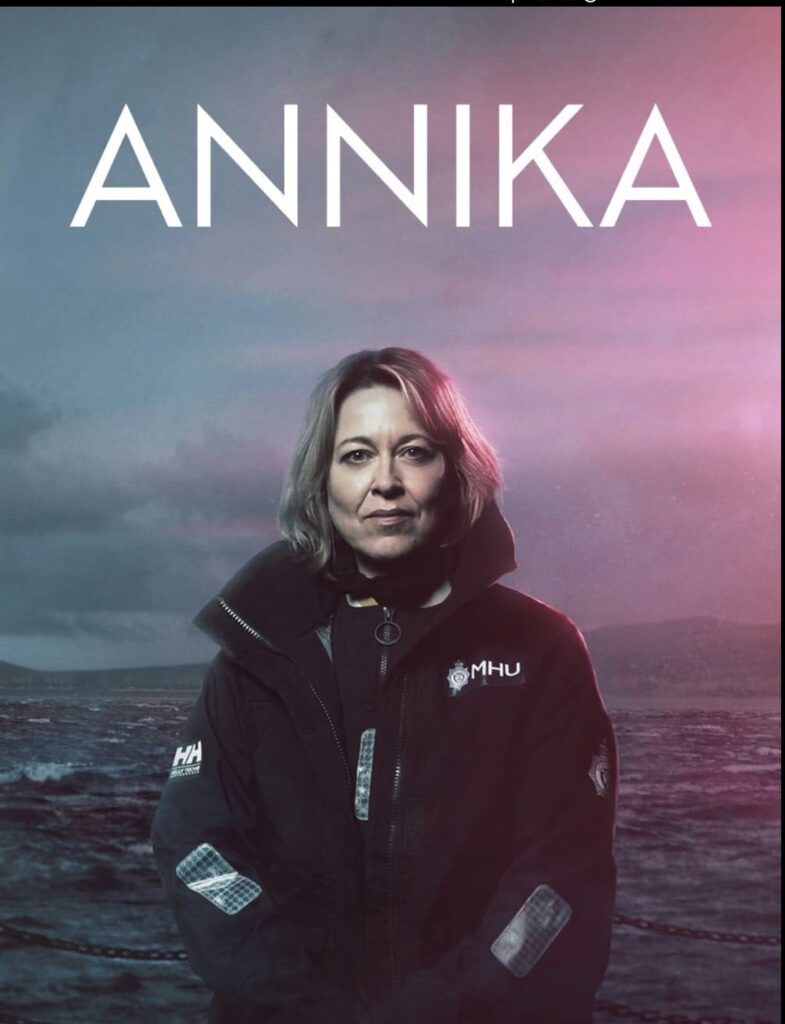
Even in what appears to be an inclusive detective series, “Annika” (series 2), the scriptwriters still use this stereotype in a hotel scene with the Central or Eastern European receptionist.

Wokeness isn’t a new phenomenon, writing with a social conscious has often brought about changes in the world.

These rough rules are continually changing, so the only sure help for the inclusive writer is to do plenty of research and keep up to date. The ongoing discourse about J K Rowling’s books is a good place to find a range of opinions.

Perhaps considering that a person can still be executed in eleven countries for their sexual orientation shows how much support and change is needed in this world, and good Woke writing can open our readers’ eyes to diversity. 

We are human, and we are going to have views and opinions that we might find problematic for publishers, so being aware of some of the things that agents and publishers usually won’t accept, can only help if we want to be traditionally published.

Ableism:

Using a disabled character who suddenly becomes able might well be rejected, especially in children’s books, because it can cause the child to feel less worthy. They want to relate to a character like themselves, who succeeds just as they are,.

Neurodiversity:

Is the same for Neurodiverse characters (the name, Neurodiverse, is my pet hate because all our brains are normal – they don’t have to function in one specific way).  We didn’t test for ADHD in boys until the 1950s. Girls weren’t tested until the early 90s.

The list is added to all the time as we discover new variants – new to us maybe, but they have always been there.

HSP: Highly Sensitive Person (the only diversity that is, at the present time, known to be heretical). Often portrayed as being over emotional, dramatic, thin-skinned, over reactive. Often confused with ADHD which it can also co-present with.

Autism: Writing characters who we believe are stereotypical of Autistics – good with numbers, communitive, lacking in empathises is a narrow, old-fashioned view and often, incorrect.

ADHD: A stereotypical point of view might be a young boy causing mayhem in the class with his hyperactivity. For women it’s being forgetful and muddled.

Co-Presenting: People can present as have a wide range of neurodiversity. I am ADHD with Dyslexia. A very common one is ADHD/Autism known as AuDHD.

Dyslexia: The NHS describe dyslexia as, ‘a common learning difficulty that mainly causes problems with reading, writing and spelling. Unlike a learning disability, intelligence isn’t affected.’

Bipolar: It is not a neurodiversity but it can exist alongside one, as can anxiety and depression.

All the above conditions may be assumed but they can only be clinically diagnosed by a physiatrist.  You can’t be a bit ADHD. You may have traits with which one can seek a diagnosis, but the rigour testing is the only sure way to know. This is especially important because neurodiversity may mimic or be a cause or symptom of depression, anxiety, and trauma.

Sexism: It is still around, although thanks to the Me-Too movement, it is much more likely to be called out. The Peter and Jane books of my childhood seemed innocent, but would never get published now.

Consent: I got reprimanded by an agent because my protagonist made a pass at a guy and told him she wanted to sleep with him.  I’d also had her getting quite drunk first to give her courage. The problem, the agent said, was with ‘Consent.’

Being drunk, the girl wouldn’t have been able to make an informed decision and technically not consent to sex. Using assumed consent from an inebriated person wouldn’t stand up in court and could be considered, rape.  Remember the furore in Poldark when Ross Poldark seduced or forced himself (depending on your view) Elizabeth Chynoweth?
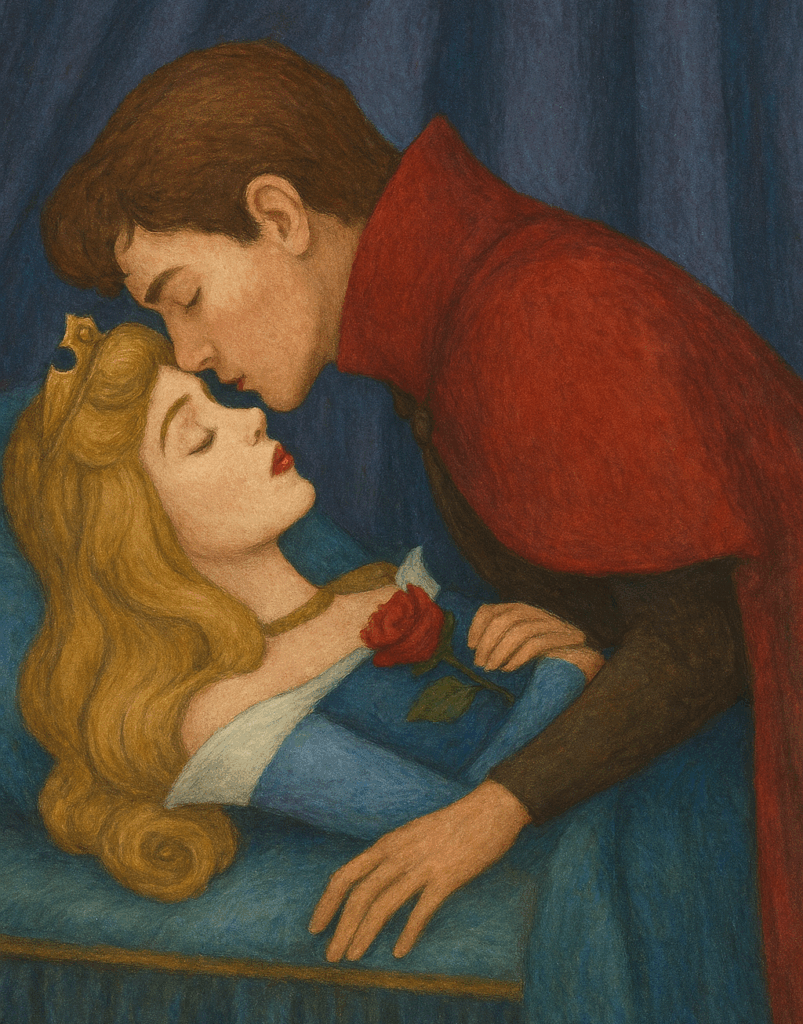
Sleeping Beauty

Sleeping Beauty, came under attack because she was asleep and so couldn’t give consent to being kissed.

A while ago now, a friend of mine said this was all ‘PC’ – ‘political correctness,’ a term that is rarely used now.

Transphobia: It is perhaps easer for some to write a transphobic character than it is to know and write about all the wonderful ways people identify with. This is a short list which will be quickly outdated, so keep your finger on the pulse:

  • Agender: A person who does not identify with any particular gender
  • Bigender: Someone who identifies genders
  • Cisgender (Cis): One who identifies with the sex they were born with.
  • Demigender: partly identifying with a gender, i.e. a demigirl.
  • Genderfluid: A person who’s gender identity isn’t fixed
  • Intersex: Having sex characteristics that cannot be defined as expected notions of female or male.

There are many more terms and ‘labels,’ for sexual identity. Many people these days feel that whatever you feel you are – you are, and should be treated and respected as such. And, of course, lots of people don’t share that view and are vocal about it. It is a free country but I believe it is unhelpful not to recognise anyone’s right to define themselves as they identify.

J.K. Rowling is so successful that she holds a powerful position of authority in speaking for those who take issue with diversity and has been accused of promoting stereotypes and transphobia.  Of course, she is not alone but she is still actively promoting her views which who read her books in childhood now feel upset by.

As an aside, the Bechdel test, started as a joke is an interesting way to see how much agency female characters have in films. In short, to pass the test a movie must have at least two named characters having a conversation together where a man doesn’t feature.

Having a gay, black, or disabled character as your villain. I know in real life they could easily be, but ethnic minorities have suffered for centuries and writers can encourage inclusivity by their actions.

It is notably that in the past, white Americans, black Americans, Chinese Americans, Latino Americans etc. all had boxes to tick on forms to show their nationality. Even a few years ago this was not the case for Native Americans.

If you do have a racist or otherwise prejudiced character, they shouldn’t win the day. They can change their views, but a prejudiced person whose views in dialogue, action, etc. cause pain and distress to others doesn’t make a character most readers would root for, or want to go unpunished.

The book, The Help, by Kathryn Stockett, drew negative criticism for depicting a white woman telling the story of a generation of black maids in the 1960s southern states of America, especially the character, Aibileen.

Some viewers of the film described the protagonist as a white saviour. Sooner or later, someone of colour would have written the story of the black maids. So, the consensus seems to be that it wasn’t Stockett’s story to tell.

In novel writing, Ageism can manifest as stereotypical and negative portrayals of older characters, reflecting broader societal biases about ageing. This can range from physical descriptions emphasising decline and frailty to characterisations that reduce older individuals to eccentricities or comedic figures. Furthermore, ageism can affect publishing decisions, with some agents and editors potentially exhibiting bias against older writers, though this is not universally accepted. 

Here’s a more detailed look at the issues of

  • Physical Decline: Older characters are often depicted with physical limitations like poor hearing, failing health, or frailty, reinforcing negative stereotypes about ageing.
  • Cognitive Decline: Ageism can lead to portrayals of older characters as forgetful, confused, or lacking in mental acuity, which is not always accurate.
  • Emotional States: Older characters are sometimes portrayed as lonely, bitter, or reliant on younger characters, perpetuating harmful stereotypes about emotional well-being in later life.
  • Humorous Reduction: While some positive portrayals exist, they can still fall into the trap of reducing older characters to humorous stereotypes or eccentric figures, rather than complex individuals.
  • Reinforcing Negative Stereotypes: Stereotypical portrayals in literature can reinforce negative perceptions of ageing in society, leading individuals to internalise these biases. 
  • Self-Perception: Ageism can affect older individuals’ self-esteem and self-perception, making them more likely to believe the negative stereotypes they encounter. 
  • Loss of Autonomy: Ageist narratives can contribute to a sense that older people are less capable and less independent, impacting their agency and social participation. 
  • Challenging Assumptions: Writers can actively challenge ageist assumptions by creating complex and nuanced portrayals of older characters, highlighting their strengths and contributions. 
  • Focus on Character, Not Age. Ultimately, the focus should be on creating compelling characters, regardless of their age, rather than reducing them to age-related stereotypes. 

Having larger people classified as greedy, lazy or lacking willpower  or the generalisations of smaller people or those with disfigurements.

Personally I like novels where a person’s appearance isn’t described apart perhaps, in the internal dialogue of a character. Shows such as Bridgeton gained huge audiences.

  1. Barely verbal autistic man (i.e. Hoffman’s character in Rain Man).
  2. Tiny, submissive Asian women (Harry Potter and Madame Butterfly) sexist, racist and classist, in many peoples’ opinion.
  3. Using worn-out and hurtful physical descriptions to trigger antisemitism, as in Jews having large noses and being mean (from Shakespeare’s Shylock to the Goblins running the banks in the Harry Potter series).
  4. Irish people experimenting with explosions (terrorists) – such as the Irish kidnapper and former British soldier in Netflix’s The Hostage.
  5. Tall, gentle, magical black guy whose father left the family (often the token)

I hope some of the above is of use. It has taken me longer than expected (ADHD brain fog) to write this little blog post. Except one section where I used A.I., that particular part took me 5 minutes to copy and paste. But is it art?! 

I recommend Lucy V. Hay’s book, Writing Diverse Characters for Fiction, TV or Film as it digs down in detail her views and advice about diversity in writing. I find it really helpful although I disagree with some points here and there.

While writing this post, I wanted to research what is probably the most appropriated people ever – the Native Americans. I wanted to find books written by them and typed in Google, ‘pure native American authors.’ Google immediately told me that my use of, ‘pure’ was problematic. I’m still learning…

And in case I haven’t been mean enough about J.K. Rowling, here’s another article: JK Rowling under fire for writing about ‘Native American wizards

Madame Butterfly stereotypes

UK Publishing Workforce Diversity Inclusion and Belonging

Guardian – Annika Review

In the Heat of the Night

Lawrentian

Bechdel Test

The Guardian – JK Rowling appropriating Navajo Tradition

And lastly, this is not comprehensive list. Please correct me, or add to it.
Why Stories Are Important in a Time of Crisis – by Madelaine Couch

Why Stories Are Important in a Time of Crisis – by Madelaine Couch

The world is feeling particularly wild at this moment – global politics, climate change, conflicts across continents. It sometimes feels we are on a tipping point, about to fall into an abyss. A friend recently said to me he thinks humans are either going to wipe each other out, or transcend into a new consciousness in our lifetime – he’s a psychotherapist. I’m often left wondering if there’s some truth in his comment. People are stressed, frightened and overwhelmed. Humankind is in need of a healing balm. So, where do we turn?  

We turn to stories. Short stories, novels, graphic novels, films. Stories at their core are a place we go to make sense of the world. When we cannot make sense of things, we use stories to help  guide us. Narratives, characters, plot – they offer us another way of experiencing life and the world around us. Throughout history, writers and artists have created from their life experience and shared their wisdom with others. 

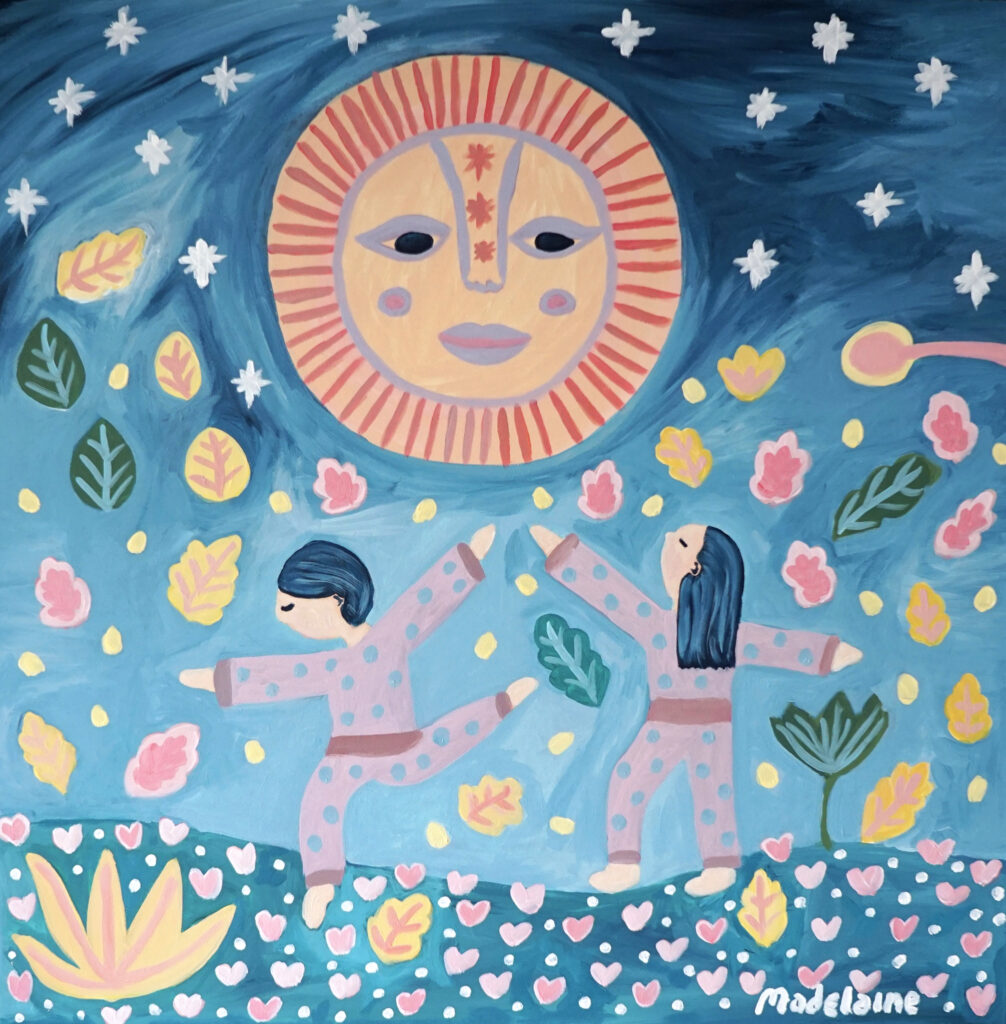
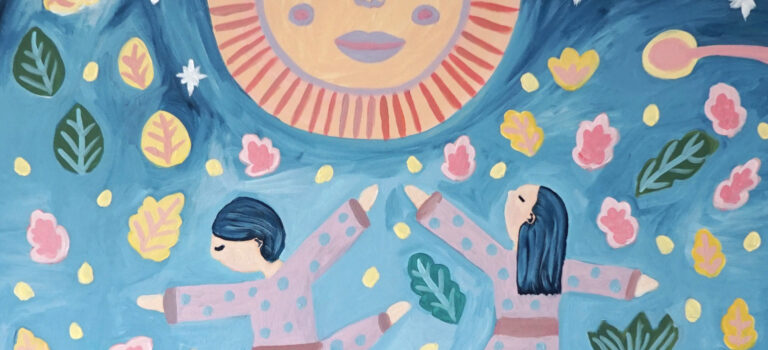
‘Moon Dancers’ by Madelaine Couch

I started taking my creative writing seriously about ten years ago – pitching to publishers and literary agents in the hope of getting published. I began pitching a picture book manuscript, which got rejected. Then I wrote a memoir, which over the course of a few years got rejected. Next came a YA novel, which so far has also not found a home. I was naive at first, thinking I could just write and get published within a few years. I had no idea about the reality of the writing path that lay ahead. I developed a love of the short story and short story writers – Haruki Murakami, Alice Munro, Raymond Carver – and began to hone my craft. Through relentless reading, listening to hundreds of hours of interviews, and writing my own stories and essays, things started to look up. I began to see my work published – in newspapers, online, and longlisted in writing competitions. It felt good, hopeful. Like all this effort wasn’t wasted. I now know, it’s never wasted. 

But something else happened in the last decade. I became less obsessed with focusing on publication and more fascinated by what writing stories is actually all about. Throughout history, people have always told stories. Our ancestors sat around the fire telling stories to one another. People read fairy-tales to children, and I read countless books to my little girl now. Why do we do this? I’ve come to see the power of storytelling as a balm for the heart. It’s a place to find solace in our suffering. When the world went into lockdown, the arts were a place of healing for many.  People read, they watched films, and listened to radio plays. Stories were a space for us to feel less alone – to make sense of our pain.  

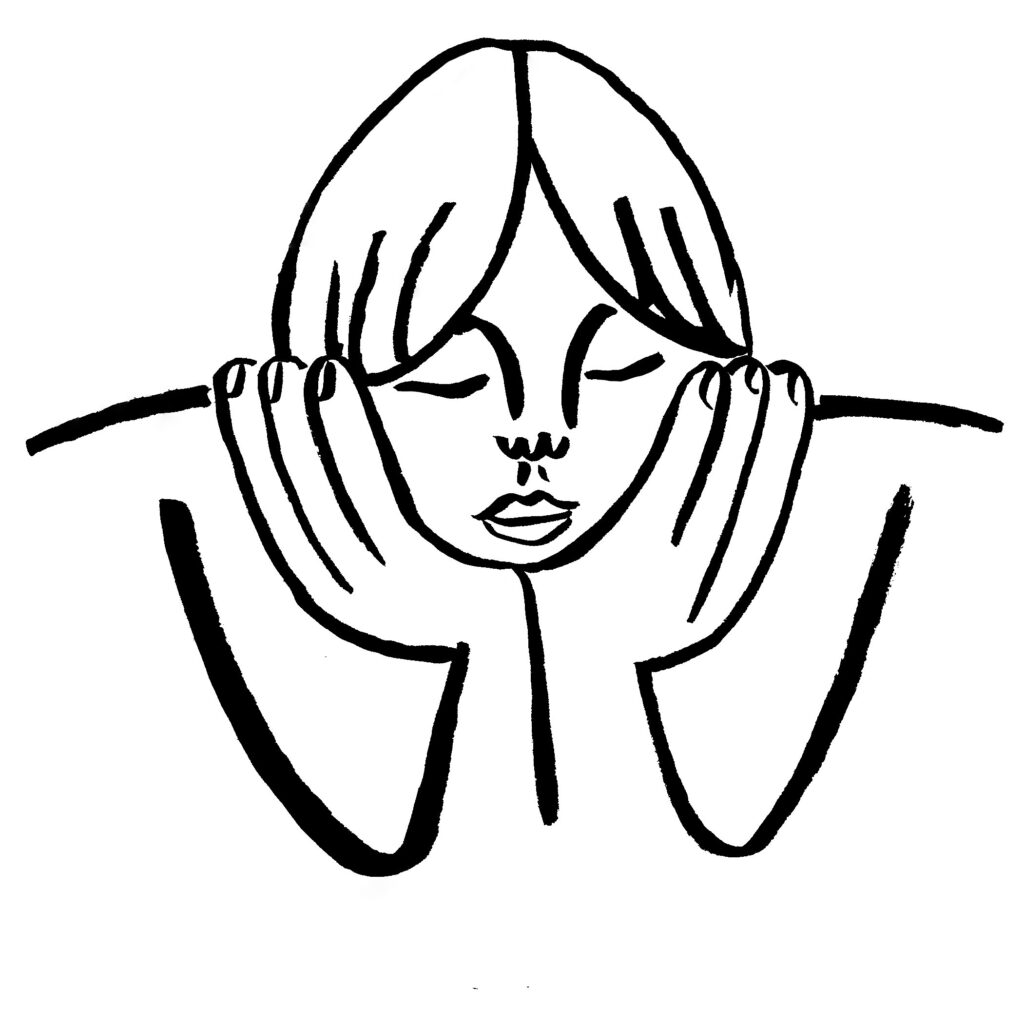
(‘Woman Thinking’ by Madelaine Couch) 

The Italian writer, Gianni Rodari, emphasised the importance of the human imagination. He explored the possibility of positive change in the world through storytelling. The fact that a story can help us to empathise with other human beings, guide us through hardship, or create hope in a  world that is challenging, quite literally changes us. If a story is written well, we gain so much from it. We are gifted knowledge on how to navigate life – whether that’s emotionally, spiritually, mentally. We learn about human relationships, and how to handle them better. We may go on a personal journey of self-discovery, overcoming our fears and moving on from our setbacks. 

I’m pretty sure books have saved me more than once in my lifetime. And they will continue to do so. Writing is an act of love – to our readers. It is taking the time to go inwards, excavate our life experience, and blend that with our imagination to craft something meaningful and magical. In a world that is full of chaos and suffering, storytelling is an act of courage. Writing is an act of hope  – and one that I will continue to do until I cannot hold a pen anymore.  

*** 

Thank you for reading. I’m a writer and artist
currently living in South Devon.

You can find more of my work here: 

💻 Website: www.madelainecouch.com 

📸 Instagram: www.instagram.com/maddy.couch 

📝 Substack: madelainecouch.substack.com

A tribute to the bright lights of Teignmouth – by Lucy Martin

A tribute to the bright lights of Teignmouth – by Lucy Martin

While the rest of the country and most of the world is grimly foretelling disaster – a tornado of fascism billowing in on the wind that isn’t properly connected to the grid, birth rates plummeting so fast that even immigration can’t keep up, twenty percent of our population on anti-depressants and AI about to put us all on the dole, I want to make a case for celebration.

Happiness is…. Remember those Snoopy posters from the eighties? Happiness is in fact living in Teignmouth. Despite the multitudinous vape shops, ice-cream-swiping seagulls and the closure of the lido, there is something about this place that is breathtakingly magical. What a privilege to gaze out at the vast horizon, watch the changing mood of the waves as they shift from glassy calm to a towering battalion overnight, one moment caressing the sun-drenched sand, the next slamming into the groynes and hurling themselves over the sea wall, gulls feasting on the debris of shellfish when the storm has passed.

But most of all it’s the people – intensely alive, involved, dynamic, and very quirky. I just popped into Spyglass gallery, or tried to pop in. He’d locked the door but let me in when I knocked and proudly showed me his avocado plant grown from – well, an avocado, and fertilised with Stew. A second plant stood alongside it, not looking nearly as lively. ‘That one hasn’t had Stew yet, but I’m going to do it.’ While his expression goes all dreamy with the thought of his new venture as plant-food manufacturer, I scurry home for a meeting of Teignmouth Writers. This group sprang up out of nowhere from a message I put out on a Facebook page and they have turned out to be the most inspiring, entertaining, creative bunch you could wish to meet – poets, academics, novelists, all of them committed to supporting each other’s literary endeavours and improving their craft.  This week one member reveals she used to write steamy romances, and asks whether anyone would be interested in a breakaway group for some of that. Some jaws fall open while other members suddenly find they’ve dropped something on the floor.

Then there’s the (admittedly rather tamer) creative writing workshop I run for the U3A, (which by the way is not just for old people – just free people).  This week it’s vision boards, cutting and sticking life-affirming headlines and snippets of feel-good articles onto canvas boards and staying way beyond home time because it’s such fun. There’s something about losing yourself in a craft activity that really calms the mind and lifts the spirits.

My third literary pursuit in this seaside idyll is book club – a whirlwind of enthusiastic, up-for-anything vibrant women, who in between devouring novels and teaching huge classes of spirited teenagers (so many teachers!) can be found sea swimming in bikinis in the middle of winter, rowing halfway down the coast in a gale and volunteering for the Samaritans. I have been humbled by their zest for life. I offer to host a meeting, and they rock up clutching all sorts of salads and puddings they’ve rustled up in the twinkling of an eye to accompany my measly dinner offering. We discuss the French resistance, the history of Cyprus and the concept of inherited trauma. They work hard, play hard and think hard. It’s exhausting, but it’s fantastic.

Sometimes it feels like going against the grain to bounce around saying isn’t life great, but it doesn’t mean turning a blind eye to the suffering of the world. The women sitting around my table last night had plenty to say about all that, but the world going to shit doesn’t bring them down or even slow them down. They get up every day and go to work, volunteer here there and everywhere to make their community a better place, run around after ageing parents and adult children, and for some reason I can’t fathom, still insist on shunning wetsuits for their daily dips.

That should be the end and it is, but I just wanted to add a little something, in case you’re not a mermaid and have to do a boring office job…

The French philosopher Voltaire said in Candide ‘chacun doit cultiver son propre jardin’ (everyone should cultivate their own garden – in other words do your bit, however small) which wouldn’t be a bad motto for getting through the dark times. There have always been and will always be dark times, but my new home has shown me how in our own little ways we can bring light to the darkest corners of the world, and with enough lights on, who knows? The whole planet might look a little less gloomy.

Why a wet day in January is perfect for a walk in the woods – by Melissa Noble

Why a wet day in January is perfect for a walk in the woods – by Melissa Noble

A wet walk in the woods banishes the January blues and gets creative sparks flying…

It’s 09:49 and the sky’s blanketed in grey. The 40ft conifer that half-blocks my view of the moor is lifting and swaying. One solitary sparrow braves the day.

I’m sat pyjama’d, looking between my list and the mizzle, feeling too weary to do much of anything. I slept well enough, woke early, busy-brained but lacklustre. There is much to be done and I really can’t be bothered.

There’s nothing else for it. I decide to get my waterproofs on and head for the woods (yes, over my pyjamas – really, it’s fine, no-one has ever caught me out and I’m sure they wouldn’t care if they did).

Two minutes out the door and I realise it’s been two days since I last left the house. I leave my hood down. Cold rain lands hard and fast; my face starts to tingle. I feel myself stand up taller and my stride lengthens. Dog walkers, caps down, offer me a sideways hello, looking at my lead-less hand as though to say ‘you sure you haven’t forgotten something’.

Five minutes on, something starts to shift. The entrance to the woods is a mud-bath. I slip through. This land is still not familiar to me and I head down a couple of dead-end alleys before finding a usable lesser-worn path. One of the brilliant things about this time of year is how much more spacious the woodland feels. Brambles and nettles have not yet got their teeth into the place. And the leafless trees make it easy to keep an eye on the shifting sky – shapes between branches offering a latticed look at the now-parting clouds.

Rain slows. Branches wear drops like Christmas baubles. The birds come back out to sing. I’m sat, reindeer moss cushioned on a fallen tree. The first of the season’s ferns shine clean green, leaves upturned so their burnt-orange spores are more easily caught by the wind.

With a casual glance, the woodland floor seems nowt but mud and mulch, but on closer inspection, tiny green clover-shaped leaves are beginning to carpet the space. Once I notice them, I see they’re coming through everywhere, and I marvel at how easy it is not to see – and how great it feels when we actually give ourselves the time to tune in.

Through the tangle of deadwood, I spy a thicket of yellow-flowered gorse and feel how it must have felt to have been walking these paths with hungry belly – the jolt of joy that would have come in anticipating such a bountiful pea-sweet harvest.

Whatever was out of place with me has gone. I feel energised; settled; connected. Ready to do some work. And thinking, “that’s one thing off the list”, because this blog pretty much wrote itself along the way. I head for home. Just as I’m turning into my road, thunder breaks overhead. The rumble echoes on and on. I turn my face up and drink it all in. There’s only so wet you can get. And then it’s time for tea.

Come join me for a brilliant morning of fire, nature-connection, mindfulness and creativity. We’ll do a series of activities to help you get tuned into the magic all around. There will be no pressure, no putting-on-spot – just easy ways to help you connect with your natural creativity and get playful using nature’s inspiration. You’ll leave feeling uplifted and energised, ready to look at yourself and the world around with fresh eyes.

Contact me, Melissa Noble, from The Academy of Wide-Hearted Living for more details: [email protected]
Or you can book direct via Eventbrite: https://tinyurl.com/4v9359mb

The Daylight Saving Club – by Melissa Noble

The Daylight Saving Club – by Melissa Noble

Helping you thrive through winter

Once the clocks go back, it can feel like we’re in for a bit of a slog. That’s why I’ve created the Daylight Saving Club.

It’s a series of online sessions to help keep the winter blues at bay. They’re carefully crafted to keep in tune with the seasons, embracing the cosiness without slipping into a slump.

Join us and, when Spring arrives, you’ll be ready to hit the ground running.

Sessions run on Zoom, from October 29th through to the end of March. There’s a whole host of brilliant stuff lined up, carefully crafted to help us embrace the cosiness without sinking into a slump. If you know you’re prone to disappearing down a rabbit hole throughout the winter months, this is your year to do things differently.

There are three types of session. We meet on a Tuesday evening at 7 (with a repeat on Saturday at 3)

Creative Zing is designed to connect with our creativity so we can use it to make life better. Sessions will be fun and fully interactive. No previous experience or talent required! Here, it’s all about getting stuck in, enjoying that feeling of flow. Perfect for writers who are feeling a bit stuck!

Winter Zen is an hour of pure relaxation. Think storytime, guided meditation, visualisation and deep relaxation. Get your comfies on. Make a cosy nest. No cameras on. No need to do anything except show up.

Hygge Huddle is a virtual fireside sharing space. We’ll tackle some of the challenges of the season and come up with practical solutions to help us all thrive. It’ll be a supportive and uplifting place, rich with lots of wellbeing-boosting tips!

Curious? More details and booking here

Melissa x

The dreaded Writer’s Block, and how to get over it! – by Melissa Noble

The dreaded Writer’s Block, and how to get over it! – by Melissa Noble

Google ‘how to overcome writer’s block’ and up pops loads of articles containing countless checklists. But what happens when you’ve optimised your environment, set all the productivity schedules, eaten all the superfoods, taken on plenty of water and STILL the words won’t come? Chances are, there’s something else at play. 

How do you get moving, then? Who better to ask than a group of writers.  ‘Blasting through the blocks’ was the theme of our Teignmouth Writers July meet-up. Nine of us around the table, each with a different idea. Put them all together and some themes emerge; understand WHY the block has appeared and you’re part way to getting moving.

  1. There’s an idea stuck inside and it needs help to get out

You’ve had a whisper. That little scritch that tells you something wants to be written. You sit. Stare at the page/screen. And it just won’t come. What to do? Simple. Get moving or get in water. 

Getting out for a good stomp in nature is a brilliant way of creating an internal shift. Instead of actively trying to ‘pull’ an idea to the forefront, let it be. Get outside. Connect with the world around you through all the senses. Notice the colours, smell all the ‘pine-woody mushroomy’*  smells. Touch leaves and walls as you’re walking by. If the idea is ready to be known, it will float in. Let go of trying. See what occurs.

Passing a brook or near to the sea? Even better. There’s something about being in water that helps create flow. Shoes off and stand still. Eyes closed. Deep breath. Focus on the feel of the water passing by. Chances are, something will shift.

No time to get out and about? Mundane chores can have a similar effect. Get your hands in a big bowl of soapy washing-up. Get lost in the bubbles. Let the idea surface in its own sweet time. 

Or jump in the shower. Let the water play over you. Key is NOT thinking about whatever it is you’re trying to ‘solve’. If the water hasn’t worked, try a walk – and if that doesn’t work – there are plenty of other ideas below!

  1. You’ve come up against a brick wall.

Perhaps a character has decided to go somewhere unexpected. Or the plot has wiggled off the beaten track. How do you get from A to where you want to be?
Try setting a timer and make a list of impossible next steps. Be absolutely outlandish. Let your imagination have free rein. Out of ridiculousness, some golden nuggets may emerge. 

If that doesn’t work, maybe it’s time to retrace your steps. You might be in a blind alley because you’ve taken a wrong turn. Work backwards to the last pivot point. 

What happens if you take a different direction? (No need to get precious about wasted words – cut and paste them into a cache – they might come in handy some other time!).

  1. You’ve got time. You’ve got peace and quiet. And the words just won’t come.

Tell yourself to write one line. A rubbish line. Something that’s definitely not going to make an appearance in any final draft. It’s a foot in the door. A mark on the page. Something to get you started. And once you’ve written one, invite another. Keep adding lines. Could be absolute nonsense. At this stage, it doesn’t matter. All you’re doing is connecting with flow.

Incidentally, tone matters here. Do you need coaxing or a firm boot up the bum? If one doesn’t work, try t’other. If you’re only ever in the habit of giving yourself a hard time, it might be helpful to play around with a different, softer approach.

If a line won’t come, work from a prompt. There are gazillions online.

And if you write for a while and it still doesn’t feel right, that’s ok too. Don’t discard the work. Look back over it another day. When we’re out of alignment, the tendency is to look at everything with a critical eye. Save judgment for brighter days. No knee-jerk culling! 

On these kinds of days, it might be that you’re trying to pour from an empty cup. Us writers and artists sometimes need inspiration. There are days when we just need to rest in beauty. Perhaps today wasn’t a writing day. Perhaps it was meant to be a day for observing; gathering; resting; being. 

  1. You’ve run out of steam. There’s time on the clock but you’re just not feeling it.

Are you bored or dehydrated? Some people find it helpful to have multiple projects on the go. As soon as one starts feeling a bit sludgy, switch. Get to know your attention span. Embrace it.

  1. Nothing works.

You’ve tried all the tricks and still the words don’t come. It could be that there is something deeper at play. Perhaps you’ve written a passage that is absolutely golden and you’re freaking out at your own brilliance. Maybe you’re coming towards the end of a project and have realised that means actually showing it to people. 

Up til this point, it’s just been you and the page. What if others don’t like it? Or even worse, what if they really like it. How will you be able to cope with the fame, you’re really not the red-carpet type. And if they like this one too much, how will anything else you write ever be good enough. If this is the peak, then perhaps it’s better just to take a pause before it’s all over. 

All perfectly normal. This is where community comes into its own. Surround yourself with other writers. People who get the highs and the lows and the thrill of it all. In those moments of fear and doubt, lean in. Or get a coach. We all need cheerleaders sometimes. There’s no shame in it. 

Better that than a half-finished piece that sits in a drawer for decades, the victim of its own potential. People get blocked in a big way all the time. The piece doesn’t go away, but sits at the edge of the mind, half-done and ever hopeful. 

SO… Don’t let it happen to you. Reach out! Let’s get those words out into the world. If you’ve tasted the deliciousness of being in flow it’d be a real shame to deny yourself more of it.
What better pleasure than letting words tumble. Gift yourself. If others happen to enjoy reading, all the better, but the most important thing is how you feel when it’s just you and the waiting page. 

*thanks, John Betjemen ‘Miss J Hunter Dunn’.

A couple of places to get you started:

https://www.descriptionari.com
https://blog.reedsy.com/creative-writing-prompts